
Don't Fold Too Much
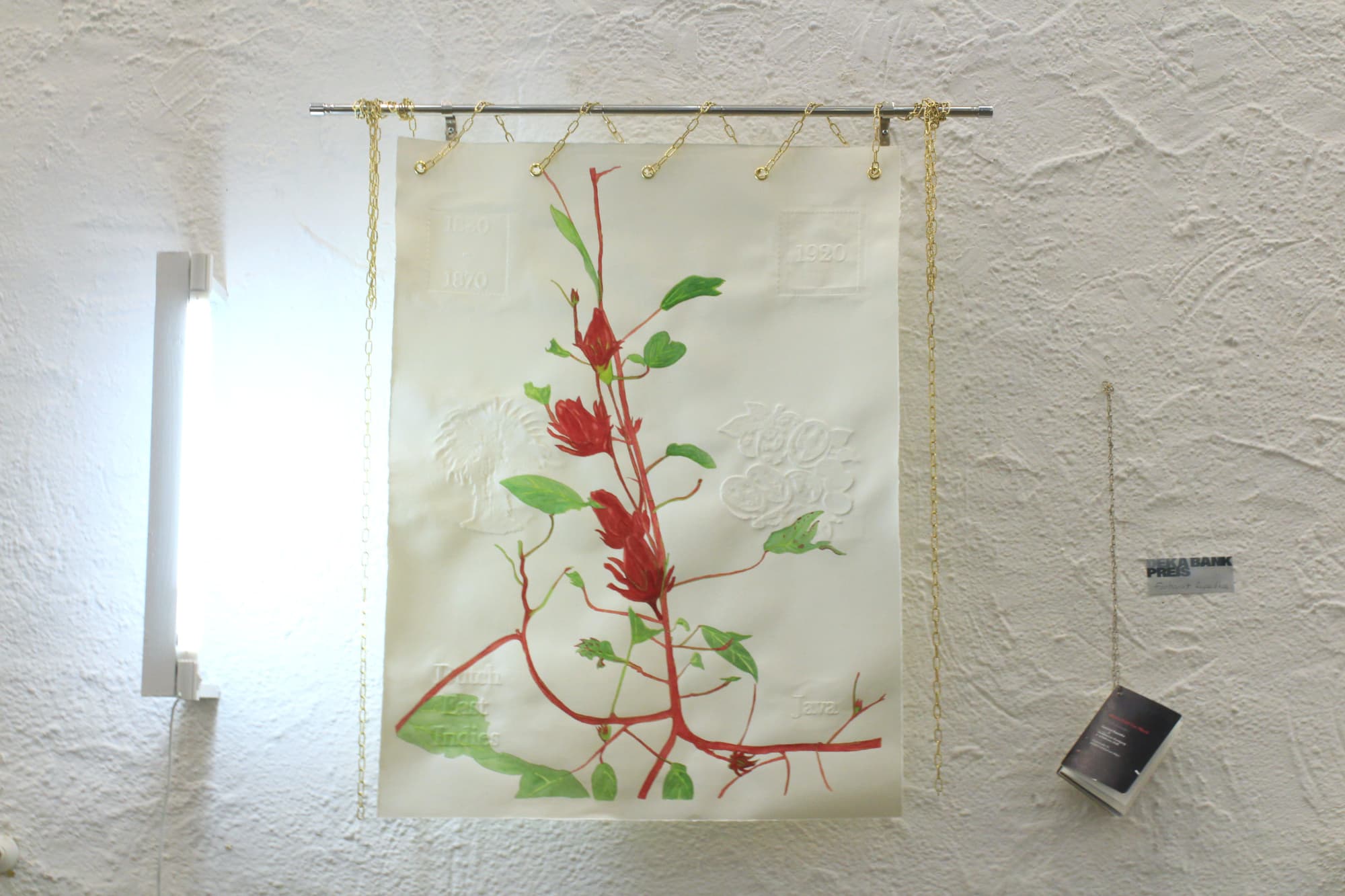
Unfolding the Artificially Revered Figure
2025
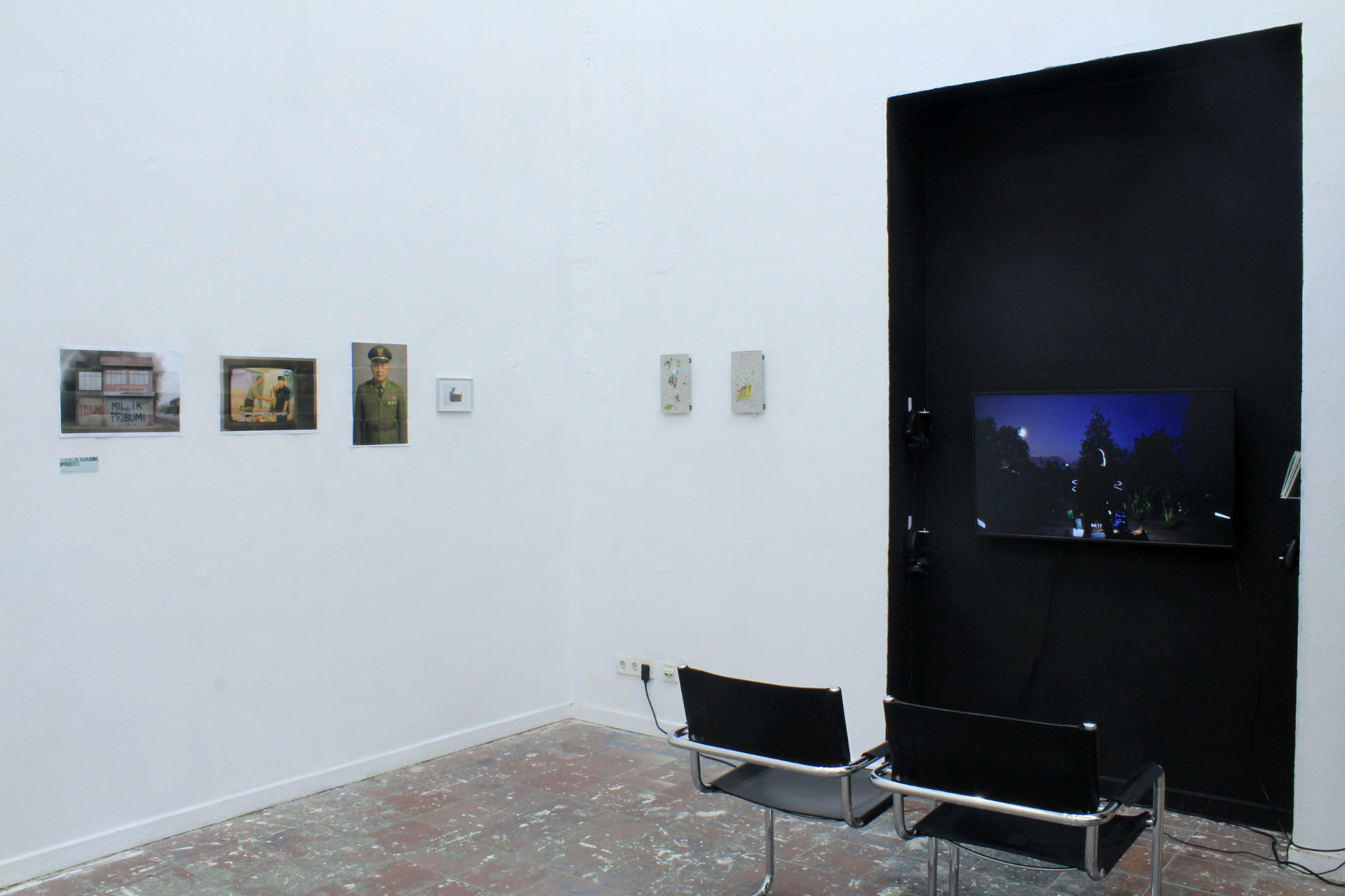
3 posters and 1 photograph in an aluminium frame
29.7 x 42 cm each and 14.8 x 21 cm
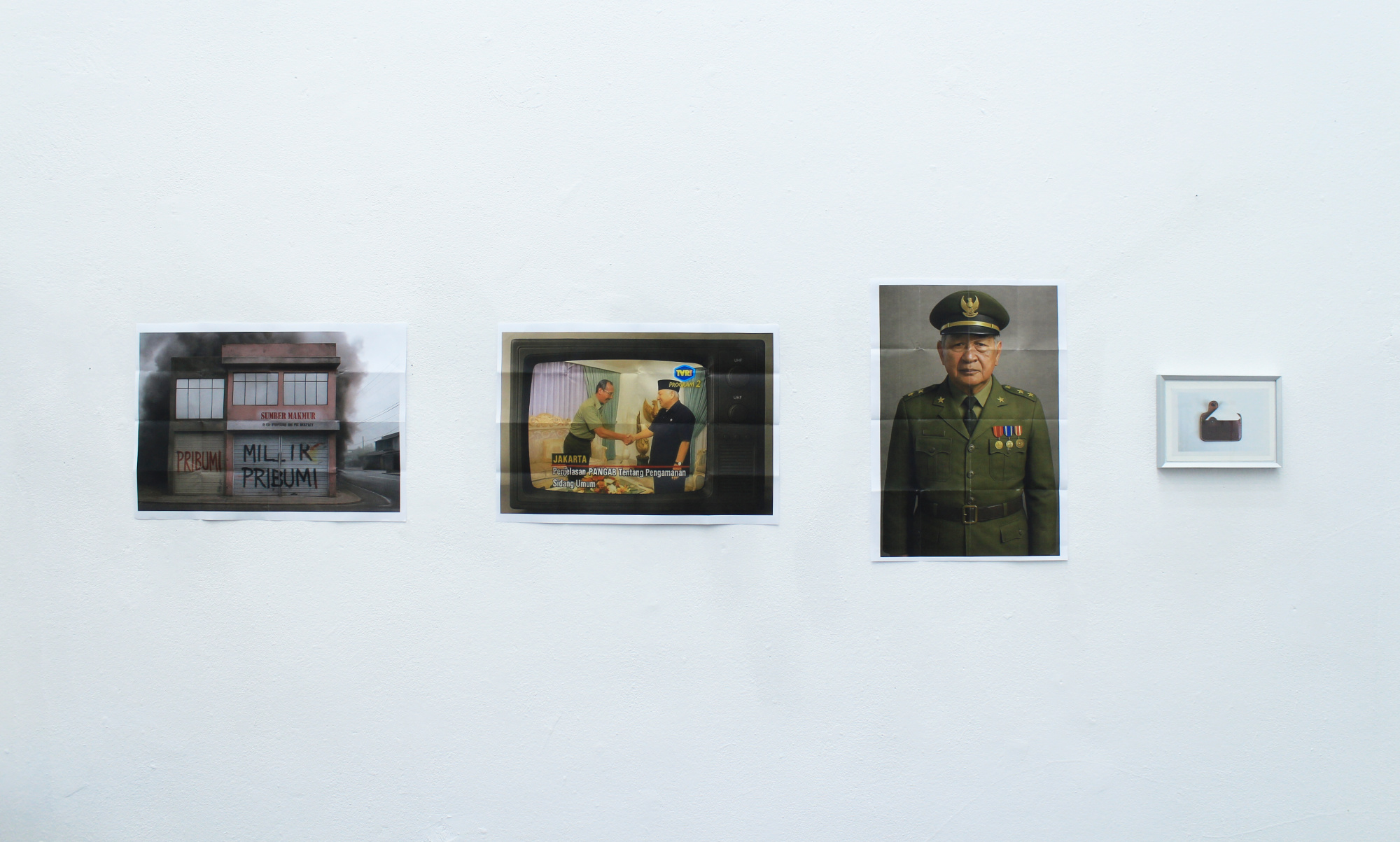
In the 1990s, fold-out posters of public figures were commonly included in magazines.
Unforgettable memories are often kept in a wallet.
Soeharto ruled Indonesia for over three decades during the New Order after the 1965 anti-communist killings.
Under his regime, television news was dominated by the state-run TVRI.
He fell from power after the May 1998 riots triggered by the economic crisis, which included looting, burning and sexual violence against ethnic Chinese Indonesians.
During the unrest, some Chinese-owned shops were marked “Milik Pribumi” (Native-owned) to avoid attacks.
Independent investigations estimated that hundreds to over a thousand people died, though precise figures vary widely due to chaotic record-keeping.
In 2025, Soeharto was posthumously named a National Hero alongside Abdurrahman Wahid and Marsinah.
Recollecting Moments Long Gone: Paper Work
2025
2 paper-mache sheets made of coffee cups with rice, dried leaves, and ID card-sized archival photographs, 16 of 3 x 1 mm size magnets, 10 of 20 x 20 mm size pipe clamps, and a 3M VHB tape
15 x 25 cm each
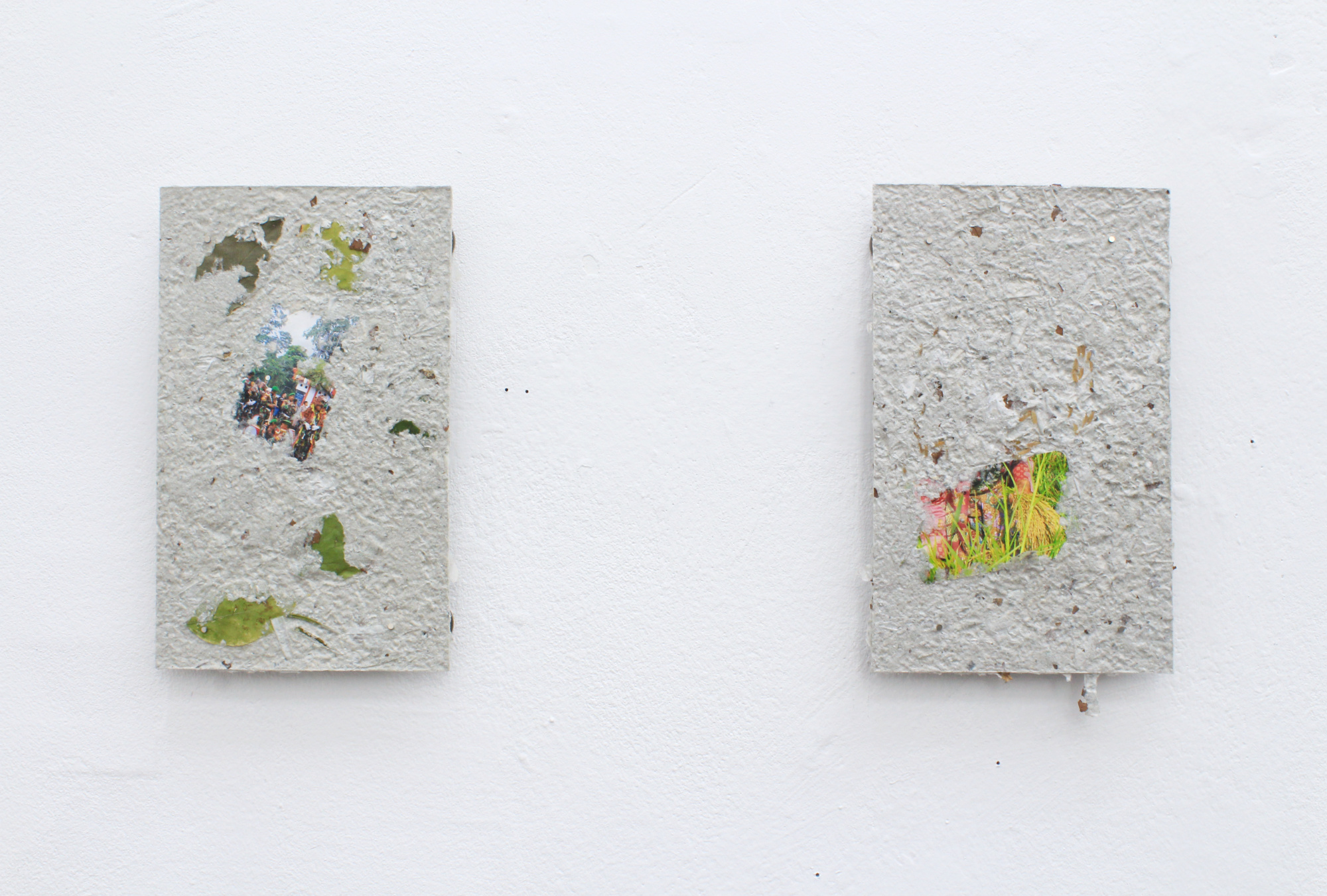
The Dutch VOC brought coffee from Yemen (Mocha) to Batavia in the late 1600s. It was later developed in Java and Sumatra through the Forced Cultivation System (Cultuurstelsel).
Indonesia declared its independence on August 17, 1945.
The PRRI (West Sumatra) and Permesta (North Sulawesi) rebellions (1957–1958) arose from regional inequality, government dissatisfaction, and military unrest.
On May 18, 1958, pilot Allen Lawrence Pope was shot down by the Indonesian Air Force over Ambon and captured, revealing CIA involvement.
UUPA 1960, enacted by Soekarno, abolished colonial land law, established state control of land, limited ownership, allowed redistribution, and recognized adat law and land’s social function.
When agrarian reform was implemented (especially in the early 1960s), many land conflicts occurred between peasants and landlords and between peasants and companies.
Peasant groups often carried out “aksi sepihak” (unilateral actions) by occupying land before legal processes were completed, and the TNI increasingly believed that the PKI (Indonesian Communist Party) was using land reform to expand its power in the countryside.
The mass anti-communist killings took place in 1965 and resulted in the deaths of at least 500,000 to over one million deaths.
After The Cultuurstelsel
2026
Watercolour and acrylic with hand embossing on paper, 5 meter long chain, a neon tube lamp, and a 98,3 cm aluminium rod
200 x 200 x 35 cm
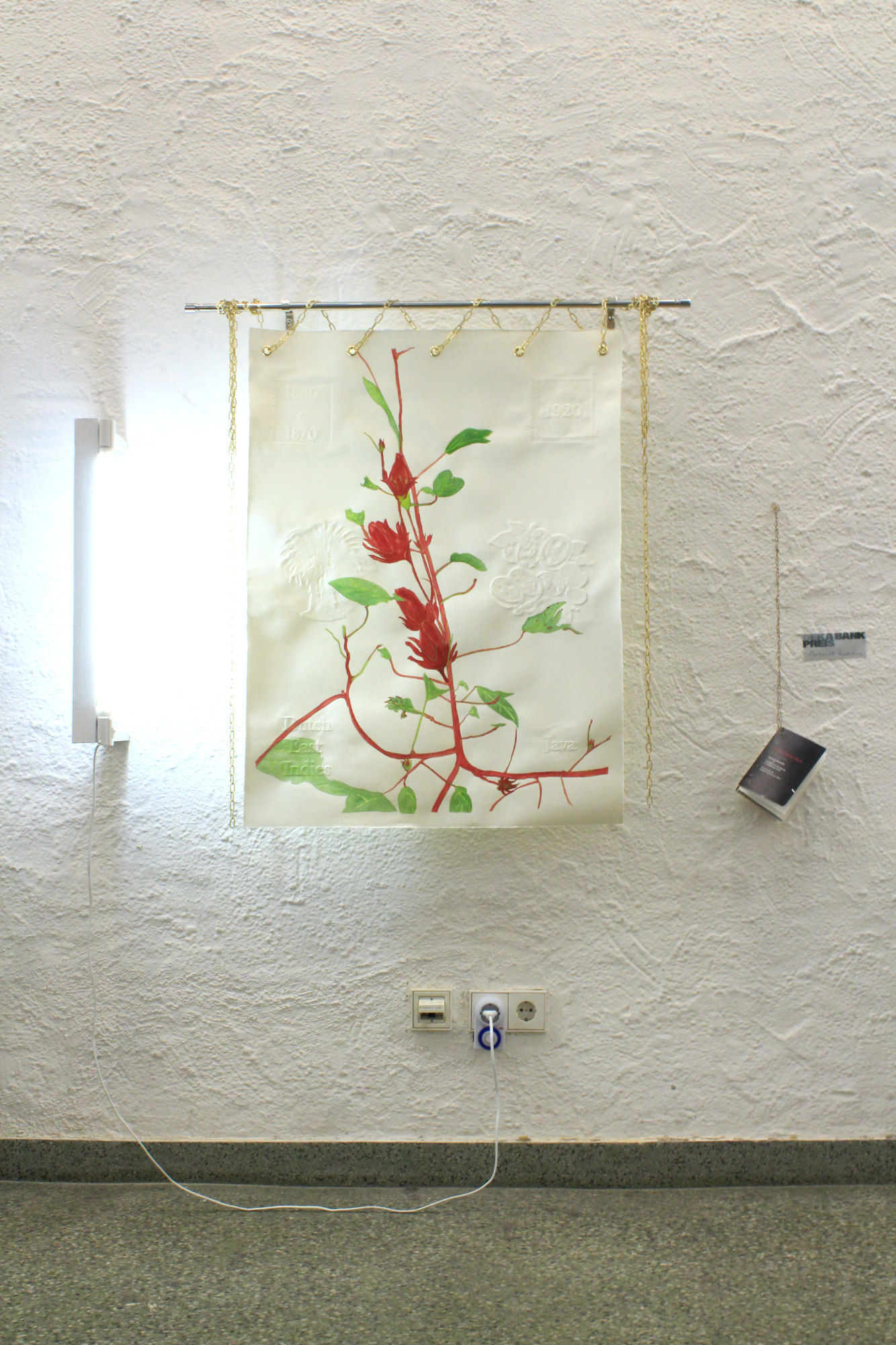
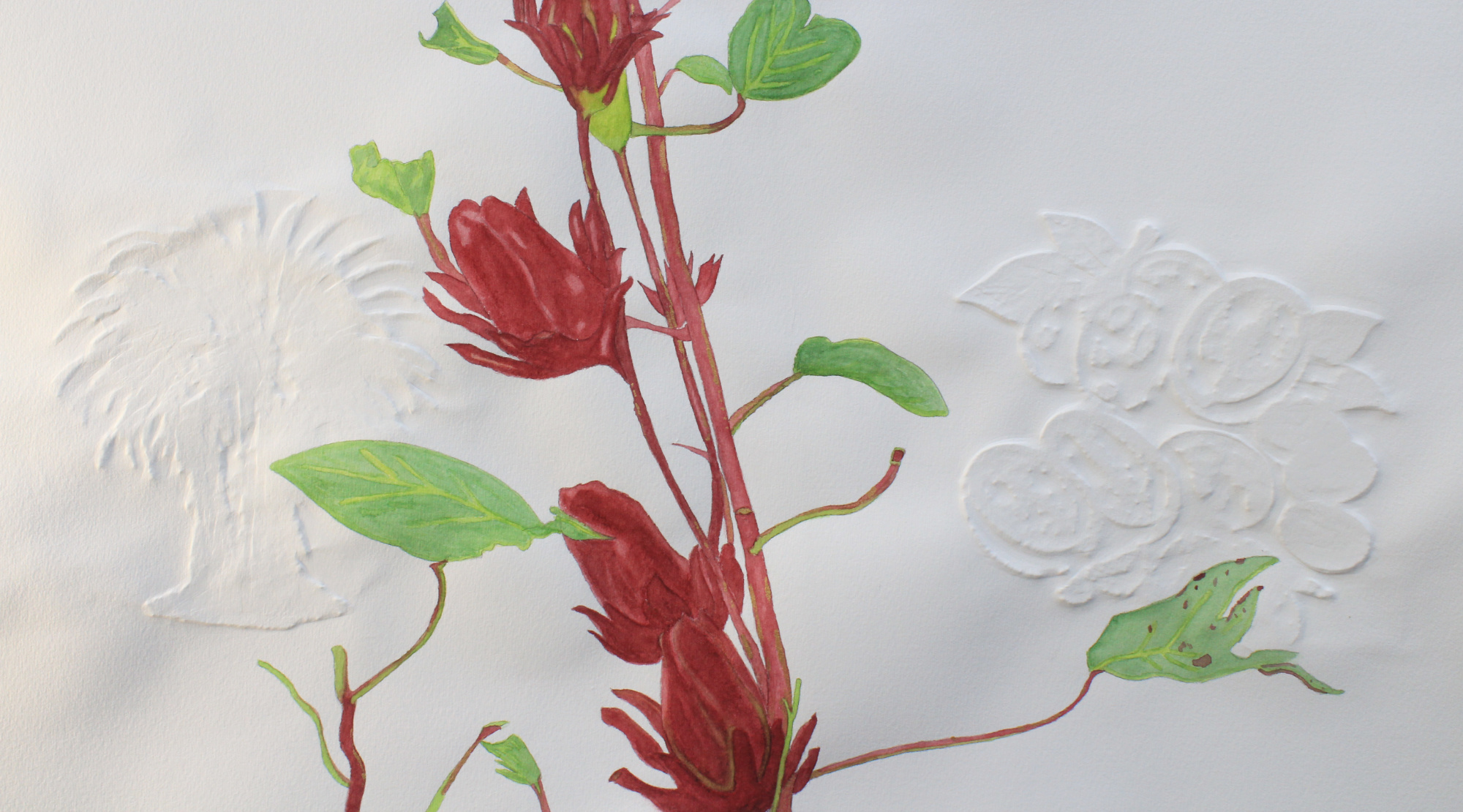
Sugarcane was cultivated in Java as early as the early 1600s while coffee was introduced by the VOC from Yemen around 1696–1699 and roselle was introduced in the 19th–early 20th century.
Under the Cultuurstelsel (Cultivation System, 1830–1870s), the Dutch forced Javanese farmers to grow cash crops, especially sugar with farmers having to dedicate 20% of their land or labor to sugarcane for export.
Coffee was also cultivated under coercive conditions in certain regions, particularly in Java prior to the implementation of the Cultuurstelsel.
During the colonial period, roselle was used to make sugar sacks and ropes from its stem fibers.
During the Cultuurstelsel, Dutch Europeans held dominant political and economic power, Chinese Indonesians served as economic intermediaries with moderate status, and native Indonesians occupied the lowest social position, subjected to forced labor and exploitation.
In 1740, the Batavia Massacre occurred when Dutch colonial authorities killed an estimated 10,000 Chinese residents in Batavia due to economic tensions and fear of rebellion, highlighting the harsh social hierarchy and exploitation in the colony.
Mooi Indië was a colonial-era art style in Indonesia that developed mainly between 1900 and the 1930s, best known for landscape painting that portrayed the country as a peaceful, beautiful, and exotic paradise.
Mooi Indië itself was originally the title of eleven reproductions of the watercolor paintings by the Dutch artist Fredericus Jacobus van Rossum du Chattel (1856-1917).
Night Sky Complex
2026
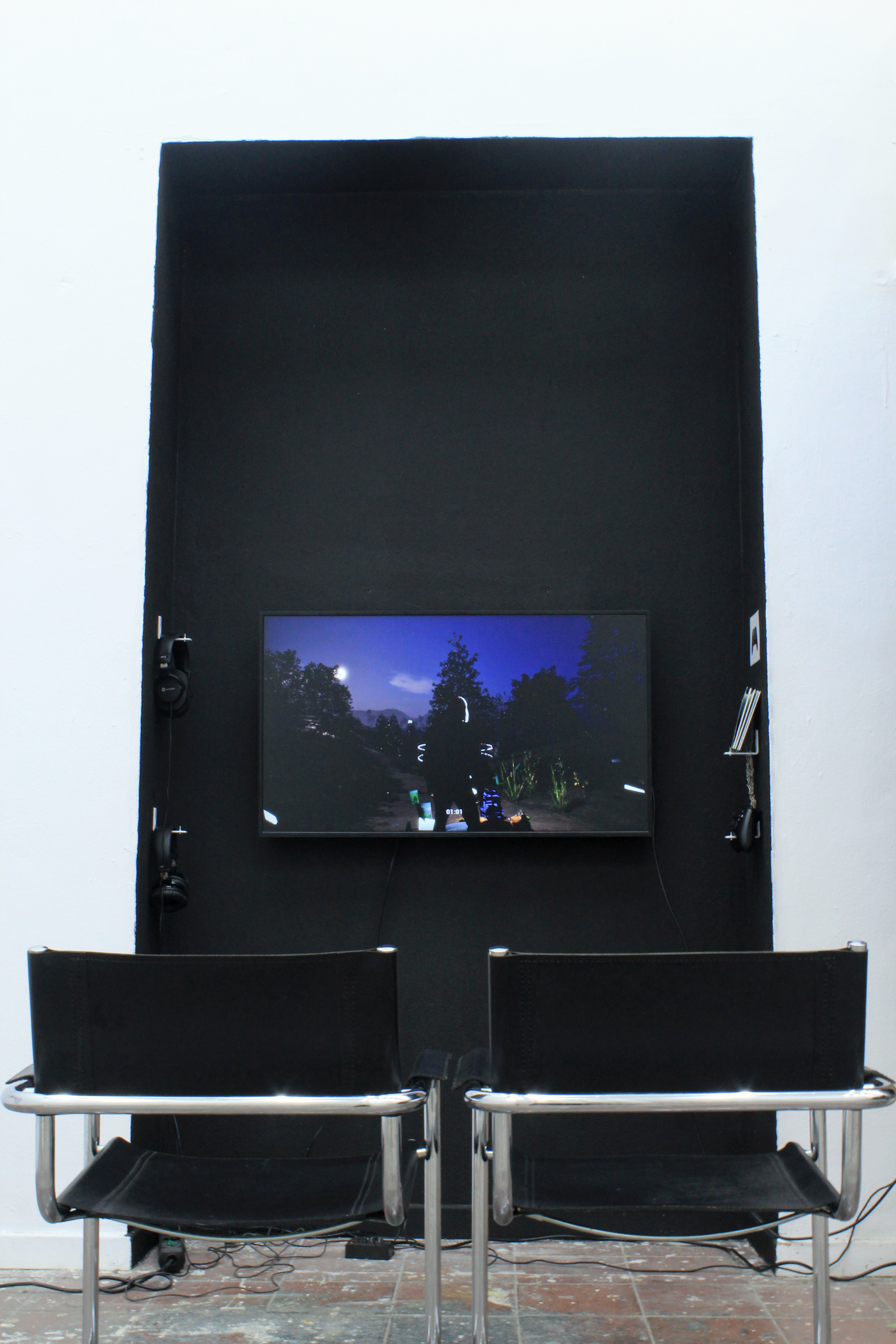
A participatory computer software that will reset every 6 minutes, a gamepad, two headphones, a Windows operating system computer with at least 8gb RAM, a 43-inch TV, a 2,4 meter height and 1.6 meter wide black wall
Variable dimensions
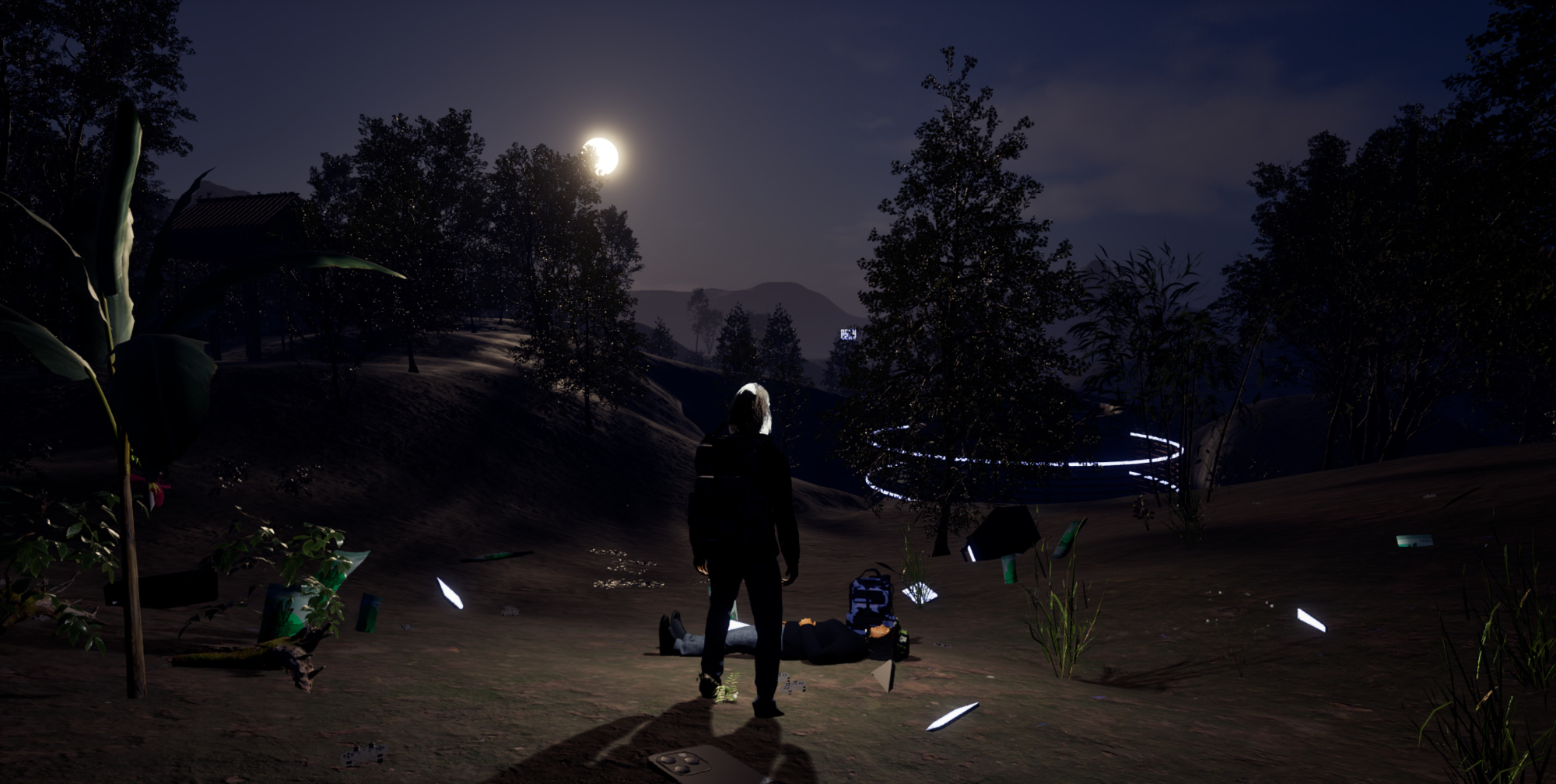
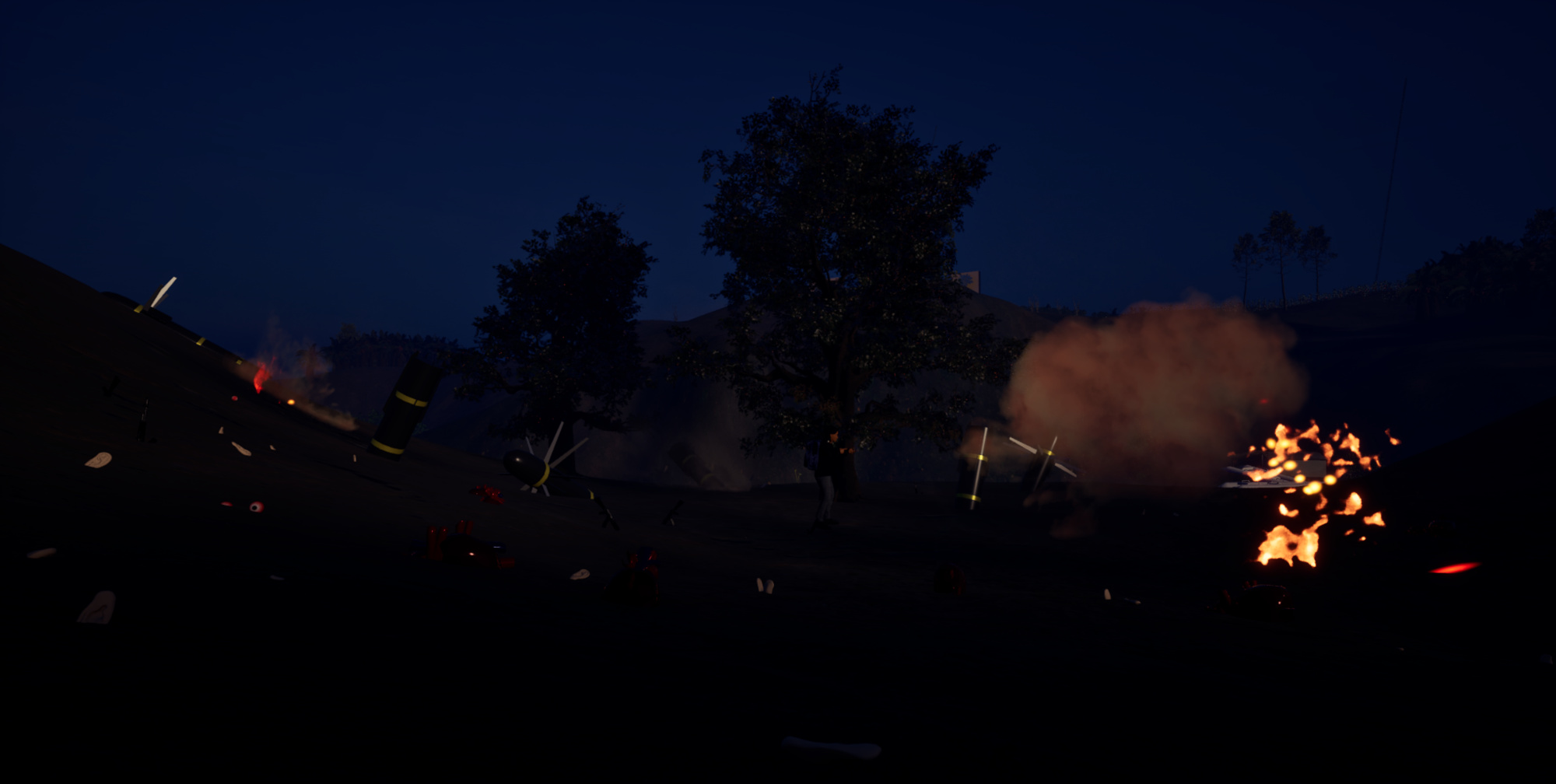
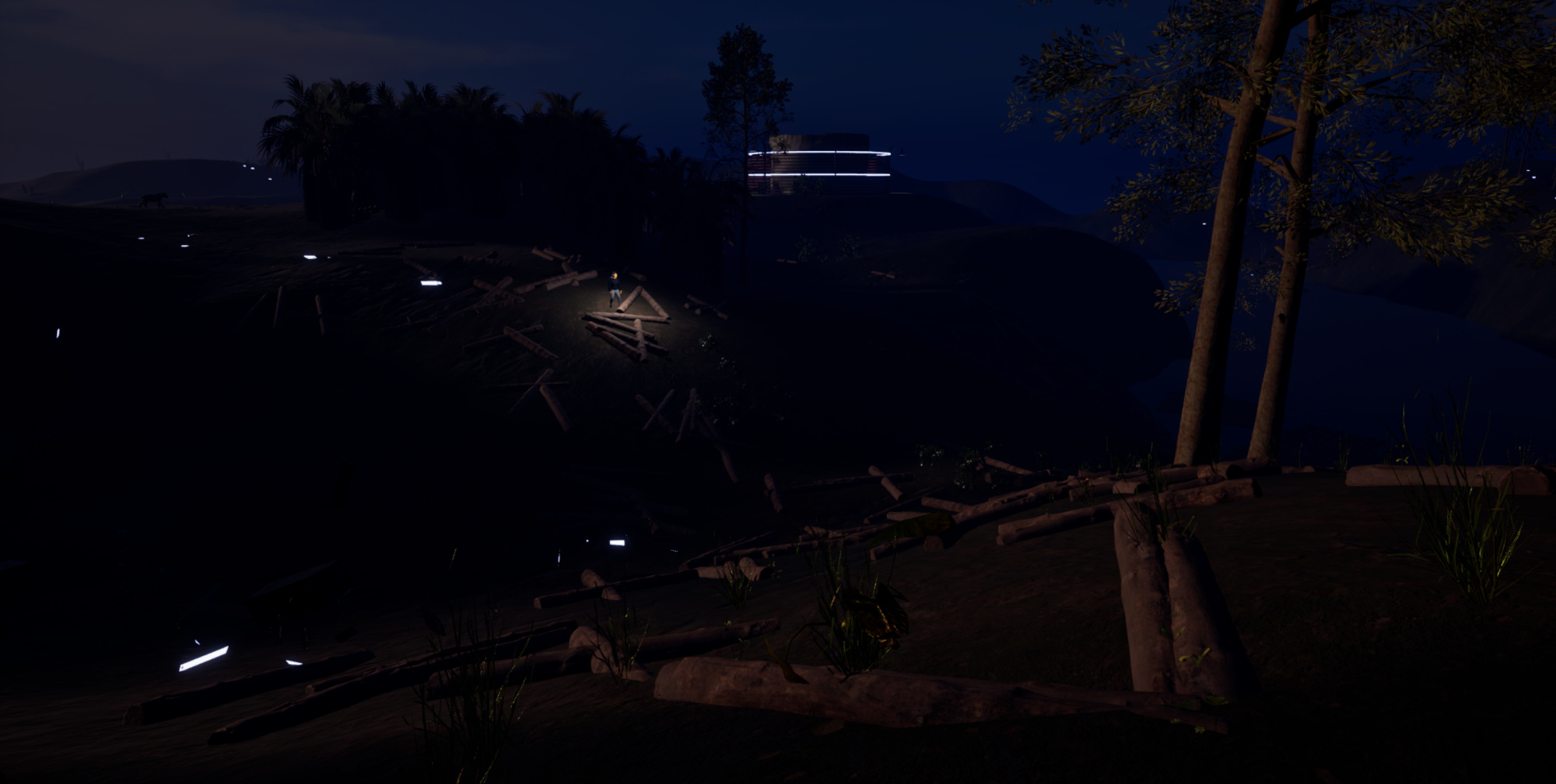
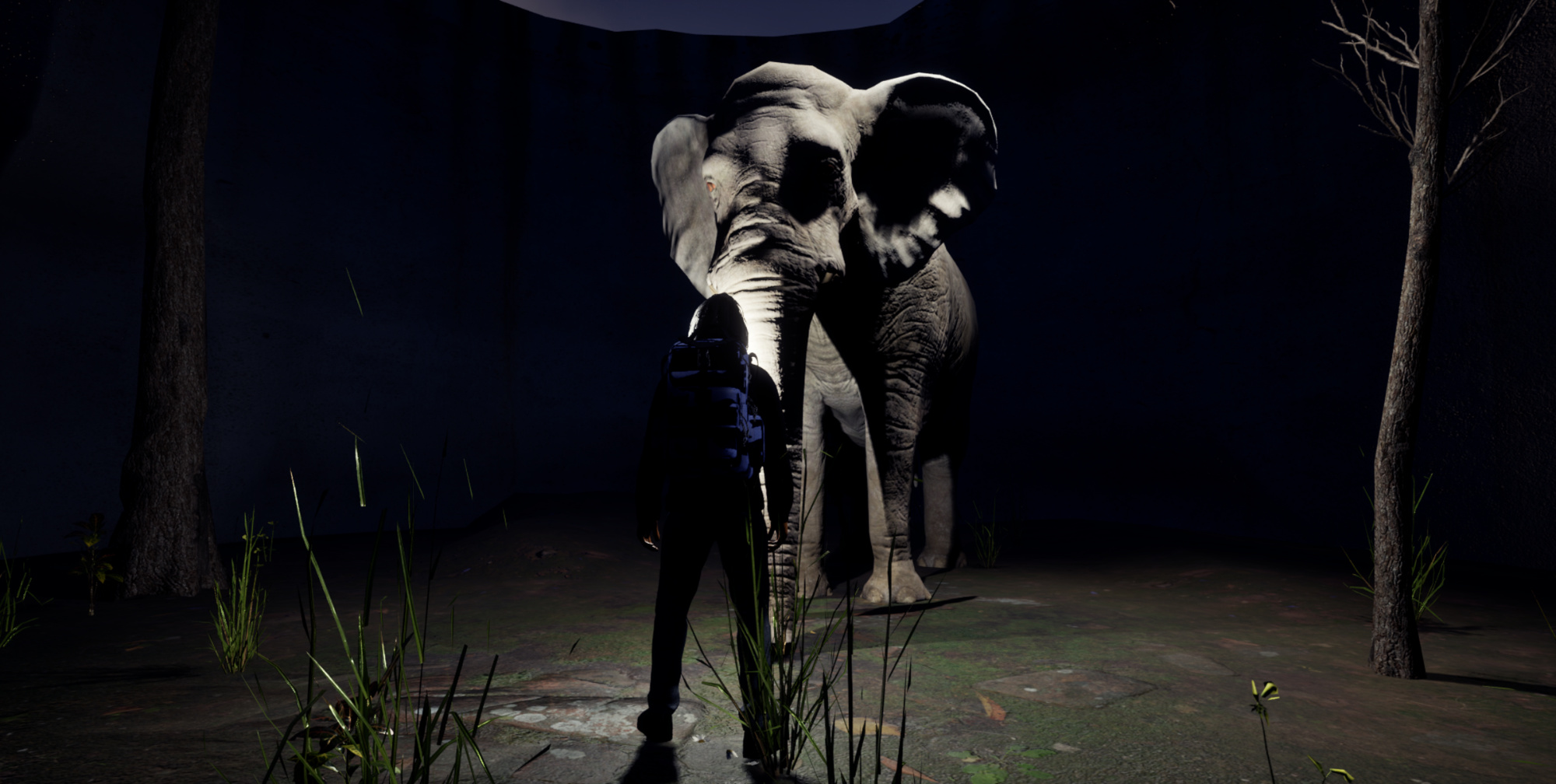
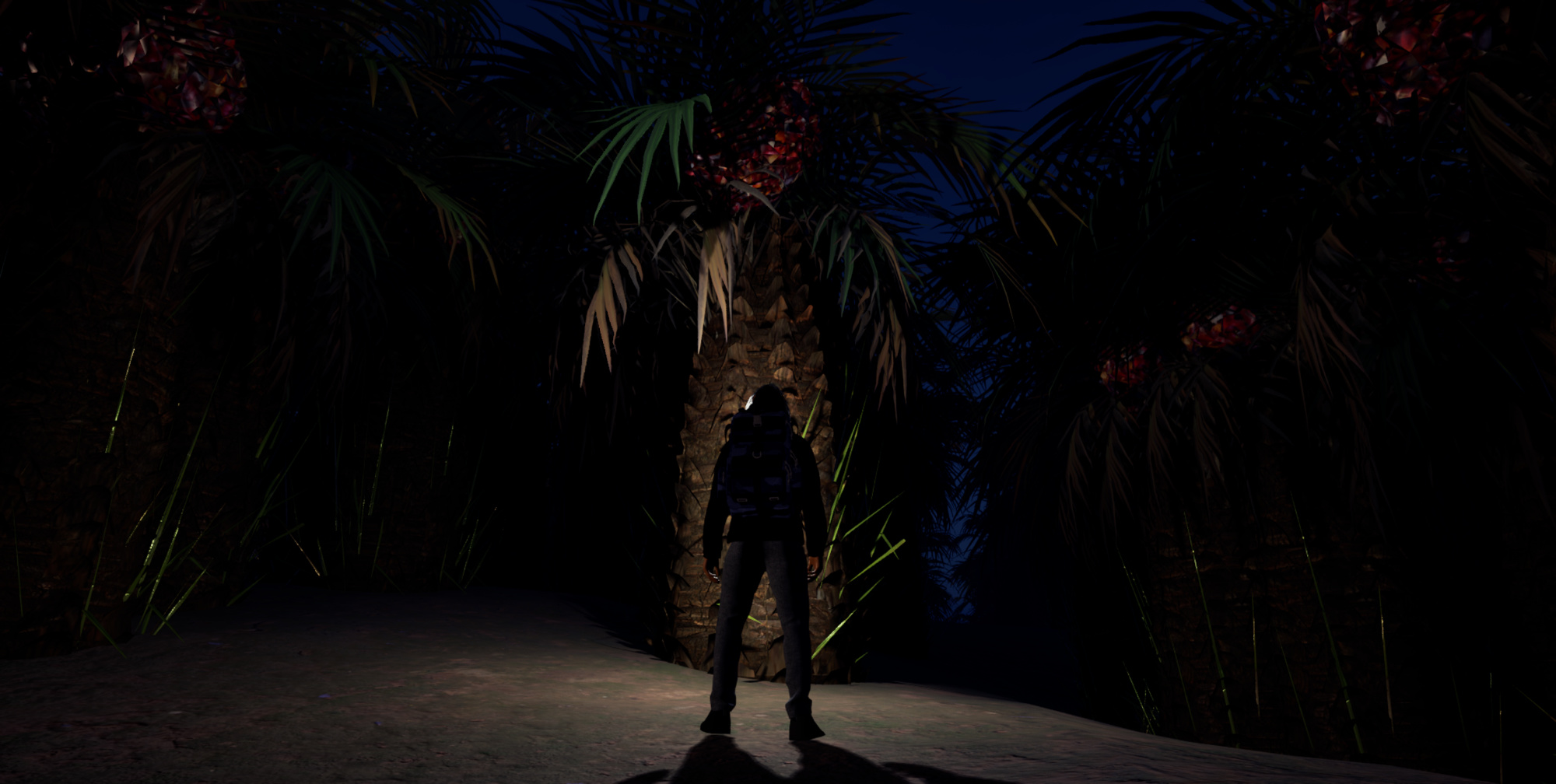
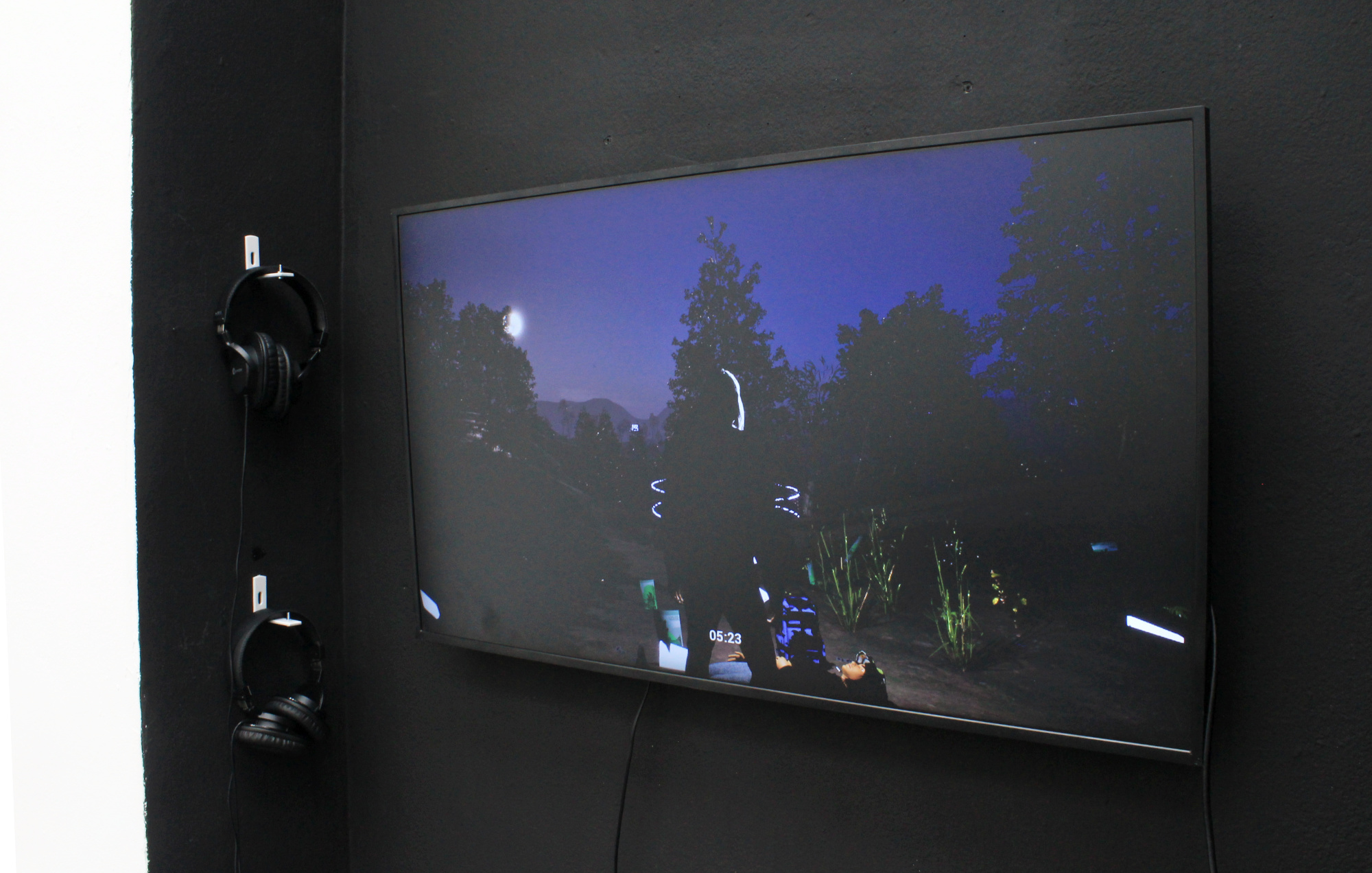
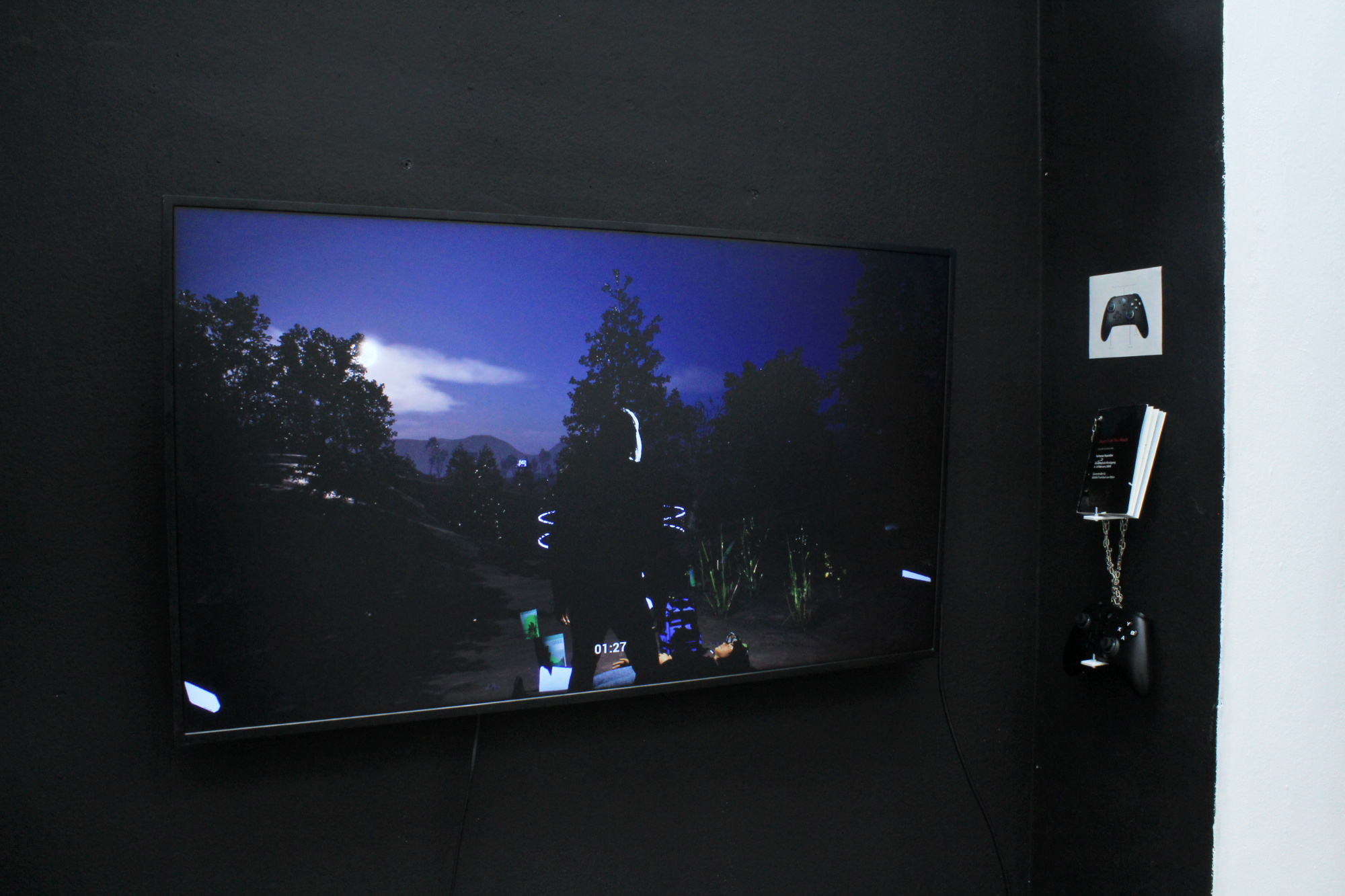
Early 2000s – Large-scale illegal logging and palm oil expansion began inside Tesso Nilo National Park in Riau, Sumatera.
Expanding palm oil plantations force Sumatran elephants into plantations, where some are killed, often by suspected poisoning.
In late 2025, rainfalls and floods in Sumatra, worsened by deforestation, killed hundreds and displaced millions.
Gold and copper reserves in Grasberg, Papua, were discovered in the 1960s, and Freeport-McMoRan began operations in 1967 with an agreement from the Indonesian government.
Rumah Tinggi in Papua is a stilt house that protects inhabitants from wild animals, floods, and evil spirits while serving as a communal and sacred space.
In 2025, widespread dissatisfaction with government policies in Indonesia sparked nationwide protests under hashtags like #IndonesiaGelap (#DarkIndonesia) and #IndonesiaReset, leading to large student demonstrations and occasional clashes with police as citizens demanded economic, educational, and political reforms.
During the 2025 Indonesian riots, some demonstrations escalated into looting and saw a resurgence of anti-Chinese sentiment, reflecting both opportunistic crime and lingering historical tensions.
Illegal logging operations in Indonesia often transport timber at night to avoid detection by authorities.